Match the reactions in column I with appropriate types of steps/reactive intermediate involved in these reactions as given in column II
← IIT-JEE 2011 · Paper 2
ChemistryMatrix match+8Question 20 of 60
IIT-JEE 2011 · Paper 2, Chemistry question 20
Column I
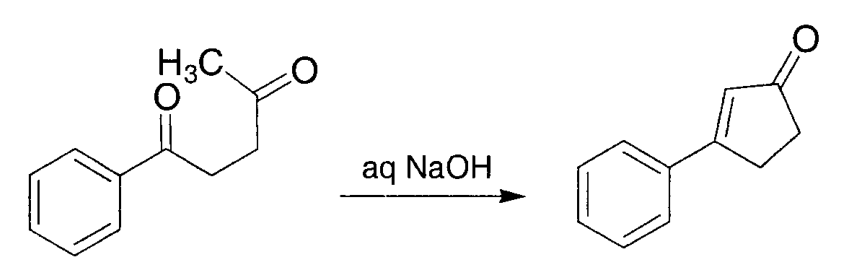
- A
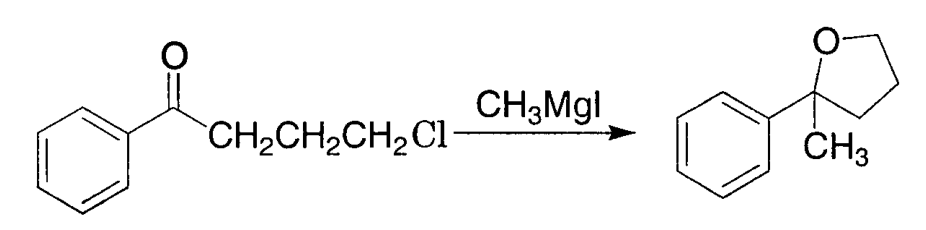
- B
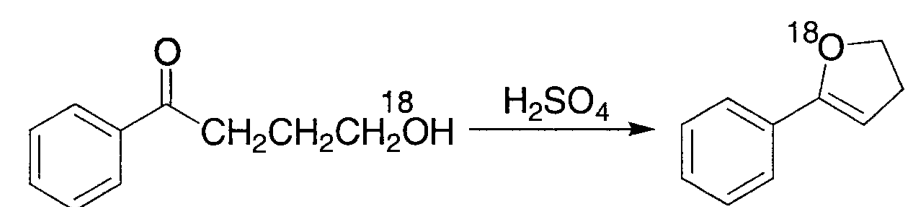
- C
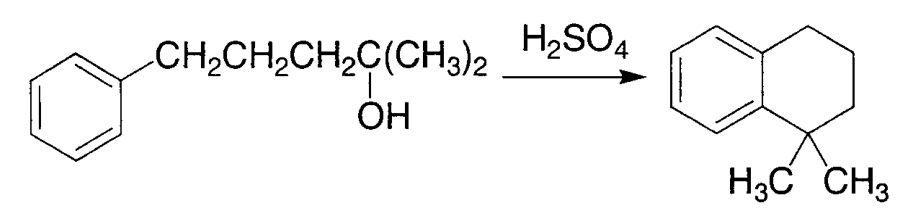
- D
Column II
- PNucleophilic substitution
- QElectrophilic substitution
- RDehydration
- SNucleophilic addition
- TCarbanion
| P | Q | R | S | T | |
|---|---|---|---|---|---|
| A | |||||
| B | |||||
| C | |||||
| D |
Answer and worked solution
Official answer: A → R, S, T; B → P, S; C → R, S; D → Q, R
- A Intramolecular aldol: forms the enolate (carbanion) of the methyl ketone, which adds to the aryl ketone C=O (nucleophilic addition). The β-hydroxy ketone then dehydrates to the enone. → R, S, T.
- B adds to the ketone (nucleophilic addition). The alkoxide then displaces intramolecularly () to close the tetrahydrofuran. → P, S.
- C The ¹⁸OH adds to the protonated ketone to form a cyclic hemiketal (nucleophilic addition), which loses water to give the dihydrofuran; the ring keeps the ¹⁸O. → R, S.
- D The tertiary alcohol loses water to give a tertiary carbocation, which attacks the ring (intramolecular Friedel-Crafts, electrophilic substitution). → Q, R.
Answer: A → R, S, T; B → P, S; C → R, S; D → Q, R